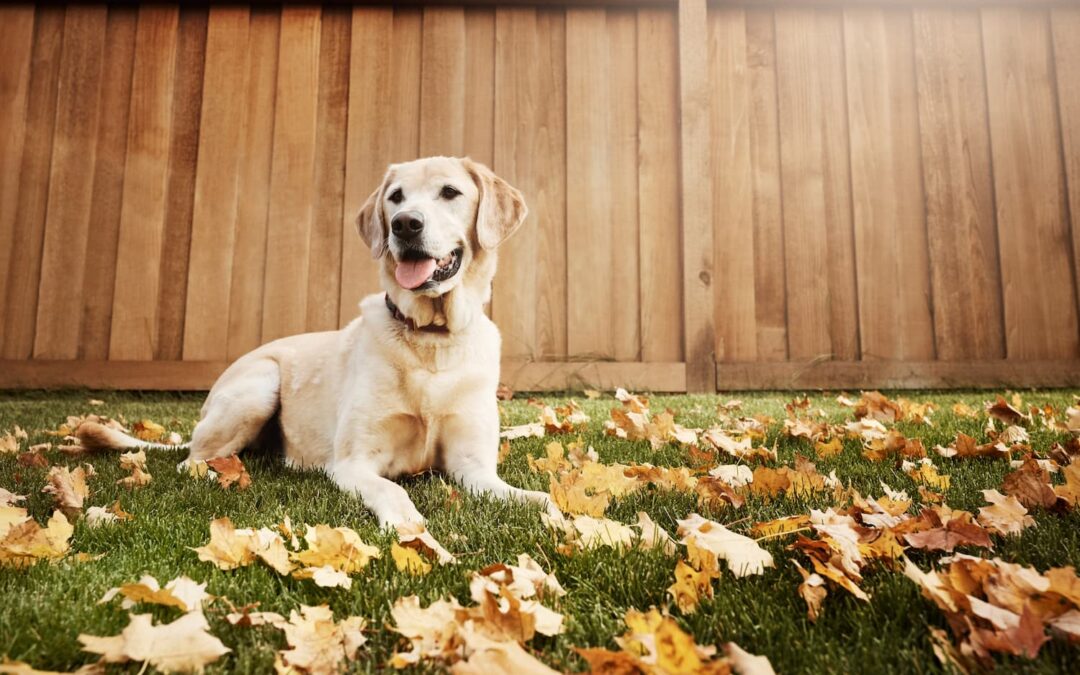
Crisp mornings, colorful leaves, and cooler afternoons make fall a wonderful time to enjoy the yard with your pet. But as the seasons change in Oakdale, MN, your backyard can change too. Fallen leaves collect in corners, mushrooms pop up after damp weather, wildlife becomes active, and fall yard projects bring out products and equipment that pets should avoid.
A little preparation can help your dog, cat, or exotic pet enjoy the season safely. Here are nine fall yard hazards to keep on your radar.
Hazard #1: Fallen Leaves and Yard Debris
A big pile of leaves may look like the perfect playground to an energetic dog, but you may not know what is hiding underneath. Sticks, animal waste, mushrooms, sharp debris, and insects can disappear beneath fallen leaves.
Wet leaves and decaying organic matter can also develop mold. Keep play areas reasonably clear, and supervise pets that love digging through leaf piles or eating things they discover outside.
Hazard #2: Wild Mushrooms
Fall moisture can encourage mushrooms to grow in lawns, gardens, and wooded areas. While some mushrooms are harmless, others can be toxic to pets, and identifying a mushroom by appearance can be difficult.
The safest approach is to remove mushrooms from areas your pets can access and discourage pets from eating any wild mushroom. If you think your pet swallowed one, contact our veterinary team promptly. If it can be done safely, taking clear photos of the mushroom and collecting a sample may provide useful information.
Hazard #3: Acorns, Sticks, and Fallen Plant Material
For curious pets, the yard can feel like an all-you-can-chew buffet. Acorns and other plant material may cause gastrointestinal upset if eaten, while larger pieces can potentially become choking hazards or contribute to an intestinal blockage.
Sticks have risks of their own. Splintered wood can injure the mouth, throat, or digestive tract. If your dog loves carrying something on a fall walk, bring along a favorite pet-safe toy instead.
Hazard #4: Fertilizers, Pesticides, and Yard Chemicals
Fall lawn care may involve fertilizers, herbicides, pesticides, or other products that should be kept away from pets. Even products used correctly may require pets to stay off treated areas for a specific amount of time.
Read and follow the product label carefully, keep containers securely stored, and clean up spills right away. If your pet gets into a lawn or garden product, save the packaging and contact a veterinarian for guidance.
Hazard #5: Rodenticides
As temperatures drop in Minnesota, rodents may begin searching for warmer places to shelter. That can lead homeowners to place rodenticides around garages, sheds, or homes.
These products can be highly dangerous to pets. Different rodenticides contain different active ingredients, so symptoms and treatment can vary. A suspected ingestion deserves immediate attention, even if your pet seems completely normal.
Keep rodent-control products somewhere pets cannot reach them. If an exposure occurs, contact our veterinary team or an animal poison control service promptly and have the product packaging available if possible.
Hazard #6: Fleas and Ticks
Summer may be over, but flea and tick prevention should not automatically disappear from your pet-care routine.
Ticks can remain active during periods of milder fall weather, and fleas can survive in protected environments. Your veterinarian can recommend parasite prevention based on your pet’s species, age, health, lifestyle, and individual risk.
Homey Gnome Veterinary Clinic clients can conveniently shop for veterinarian-recommended products through our online pharmacy. Always use parasite products specifically recommended for your pet. Products intended for dogs, for example, may not be safe for cats or exotic species.
Hazard #7: Wildlife Encounters
Your yard is part of a much bigger neighborhood. Rodents and other wildlife may pass through while searching for food and shelter, creating opportunities for curious pets to investigate.
Wildlife encounters can lead to bites, scratches, parasite exposure, or contact with droppings. Keep dogs supervised, prevent cats from roaming, and check your yard before bringing smaller animals outside.
This is especially helpful for families with rabbits, ferrets, birds, reptiles, and other exotic pets. Homey Gnome Veterinary Clinic provides care for many species, and our veterinary team can help you determine what outdoor activities are appropriate for your individual pet.
Hazard #8: Fall Yard Work and Equipment
Leaf blowers, lawn mowers, trimmers, rakes, and other equipment can turn routine yard cleanup into a stressful or unsafe situation for pets.
Before starting yard work, place your pet securely indoors or in another protected location. Pay attention to gates, too. A gate left open for a few minutes while hauling leaves or equipment can give an adventurous pet an unexpected escape route.
Once cleanup is finished, walk through the yard and check for forgotten tools, spilled products, sharp branches, or other debris before letting your pet return.
Hazard #9: Compost and Decaying Organic Material
Compost piles can smell fascinating to pets, particularly dogs. Unfortunately, decomposing food and plant material may contain mold or foods that pets should not eat.
Use a secure compost container or prevent your pet from accessing the composting area. Keep garbage and discarded yard material contained as well. If your pet eats something from a compost pile and begins acting sick, contact your veterinarian.
Signs Your Pet May Need Veterinary Care
After spending time outside, pay attention to sudden changes such as vomiting, diarrhea, excessive drooling, weakness, tremors, difficulty walking, breathing problems, or unusual behavior.
If you know or suspect your pet has eaten a mushroom, rodenticide, lawn chemical, or another potentially toxic substance, do not wait for symptoms to appear before seeking guidance. Early information can make a meaningful difference in determining the appropriate next steps.
Keep the Tail Wags Going All Fall
A few simple precautions can help keep seasonal hazards from getting in the way of crisp walks, backyard play, and time outside with your pet. Check your yard regularly, store lawn products securely, stay consistent with parasite prevention, and keep an eye on what your pet sniffs, chews, or explores.
Have questions about fall pet safety or noticed something concerning after your pet spent time outdoors? Homey Gnome Veterinary Clinic in Oakdale, MN is here to help dogs, cats, birds, reptiles, rabbits, pocket pets, and other animal companions stay healthy throughout the season. Call our veterinary team at (651) 202-3388 to discuss your concerns or schedule an appointment.
Image credit: Envato