Have you ever hesitated to spay or neuter your pet because of something you heard from a friend or read online? You’re not alone. There are plenty of myths that cause pet owners to second-guess this important decision. At Homey Gnome Veterinary Clinic in Oakdale, MN, we understand these concerns, and we’re here to clear up the confusion.
Whether your pet is a cat, dog, rabbit, ferret, or another exotic companion, knowing the truth about spaying and neutering can help you feel confident about doing what’s best for their long-term health and behavior.
Myth #1: My Pet Will Get Fat After Spaying or Neutering
This is one of the most common myths we hear. Many people assume their pet will become overweight after the procedure. The reality is that weight gain is usually linked to too much food and too little activity, not the surgery itself.
After being spayed or neutered, your pet’s metabolism may slow slightly. That just means it’s important to keep an eye on portion sizes and encourage regular play. Our veterinary team can help you adjust your pet’s diet if needed, whether your pet is a kitten, puppy, or even a rabbit who loves their leafy greens.
Myth #2: It’s Better to Let My Pet Have One Litter First
You may hear advice like “let her have one litter first.” Science does not support that as a health benefit. Today, the better question is timing, because current evidence suggests the ideal spay or neuter window can differ based on your pet’s breed, size, age, and health history, and for some dogs that may include going through a heat cycle first. Your veterinarian is the best source for this decision. Ask our team what timing is right for your pet.
This is especially true for exotic pets. For instance, female rabbits are prone to uterine cancer, and spaying them early greatly reduces that risk. Our veterinary team has experience with a variety of species and will help you make the right timing decision for your specific pet.
Myth #3: Spaying or Neutering Will Change My Pet’s Personality
This is a common fear among pet parents, but your pet’s personality will stay intact. The procedure may reduce certain behaviors like marking or aggression, but your pet will remain the same lovable companion you know.
You may notice positive changes instead. For example, neutered male rabbits often become calmer and more social. Female ferrets no longer go into uncomfortable heat cycles. These changes help improve their comfort and quality of life without changing who they are.
Myth #4: It’s Too Risky, Especially for Exotic Pets
Surgery always involves some level of risk, but with the right training, preparation, and care, spaying and neutering are considered safe procedures. This is especially true when performed by a veterinary team experienced in treating exotic animals.
At Homey Gnome Veterinary Clinic, our veterinarians regularly care for rabbits, ferrets, guinea pigs, reptiles, and birds. We use species-specific anesthetic protocols and recovery plans. Your pet receives individualized care from start to finish, including pain management and close monitoring. You can feel confident that your pet is in skilled, caring hands.
Myth #5: Only Female Pets Need to Be Fixed
Neutering male pets is just as important as spaying females. It helps reduce spraying, aggression, and roaming. It also protects against testicular cancer and reduces the risk of certain prostate problems.
This applies to exotic pets too. Neutering male guinea pigs or ferrets can reduce fighting and improve social behavior. If your male pet is showing signs of hormone-driven behavior, our veterinary team can talk with you about whether neutering is the right step.
The Truth: Spaying and Neutering Helps Your Pet Live a Longer, Healthier Life
The benefits of spaying and neutering go far beyond population control. These procedures can help your pet stay healthier and more comfortable for years to come. Some of the top benefits include:
- Lower risk of reproductive cancers and infections
- Fewer behavior problems related to hormones
- Less desire to roam or escape
- No accidental litters
This is true for both traditional and exotic pets. Whether your pet meows, barks, or squeaks, spaying or neutering is an important step in helping them live a healthier life.
How to Prepare for Your Pet’s Spay or Neuter Surgery
Once you’ve scheduled your pet’s procedure, our team will walk you through everything you need to know. Dogs and cats may need to fast the night before surgery, but exotic pets often do not. Rabbits, for example, should continue to eat up until surgery.
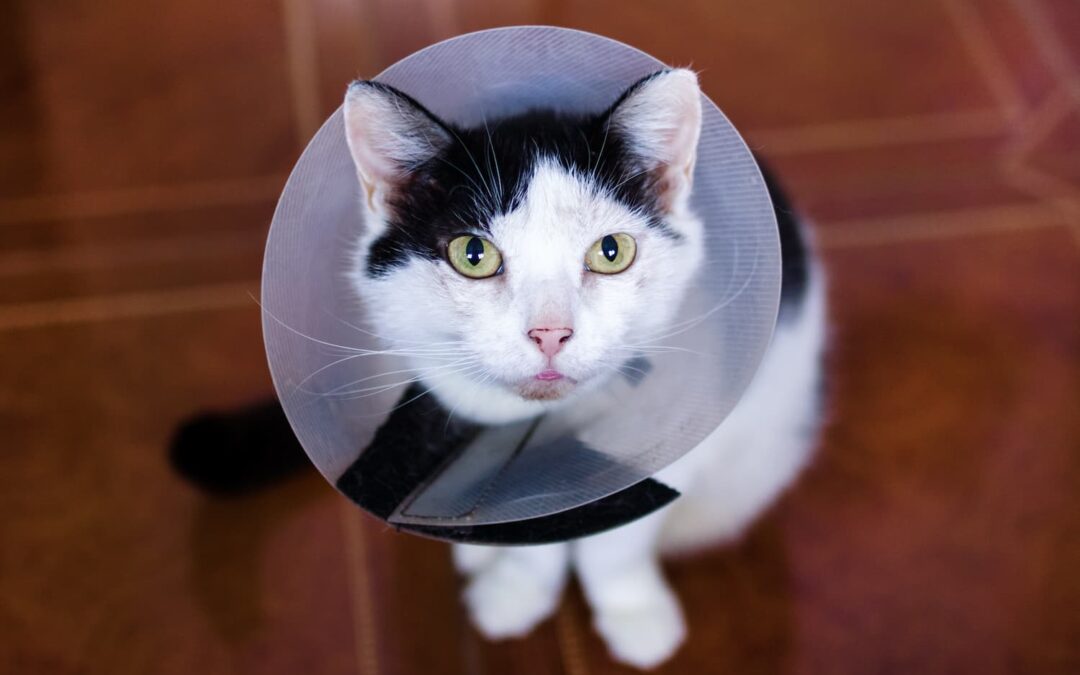
After surgery, most pets recover quickly with a quiet space to rest and a little extra TLC.
Why Choose Homey Gnome for Spaying and Neutering in Oakdale, MN
Our clinic is proud to provide spay and neuter services for both traditional and exotic pets. We take time to understand your pet’s needs and species-specific care requirements. From pre-surgical exams to post-op recovery, we’re here for every step of the process.
Our veterinary team is passionate about educating pet parents and making sure you feel comfortable asking questions. Whether you’re looking for a spay and neuter clinic in Oakdale or need guidance on exotic pet surgery, you can count on us to deliver compassionate, knowledgeable care.
Let’s Talk About What’s Right for Your Pet
Have questions? Homey Gnome Veterinary Clinic is here to help. Our team will answer your concerns and recommend the best options based on your pet’s age, species, and overall health. Call us today at (651) 202-3388 to schedule a consultation or pre-surgical exam. Whether your pet is furry, feathery, or scaly, we’re honored to be part of their care.