

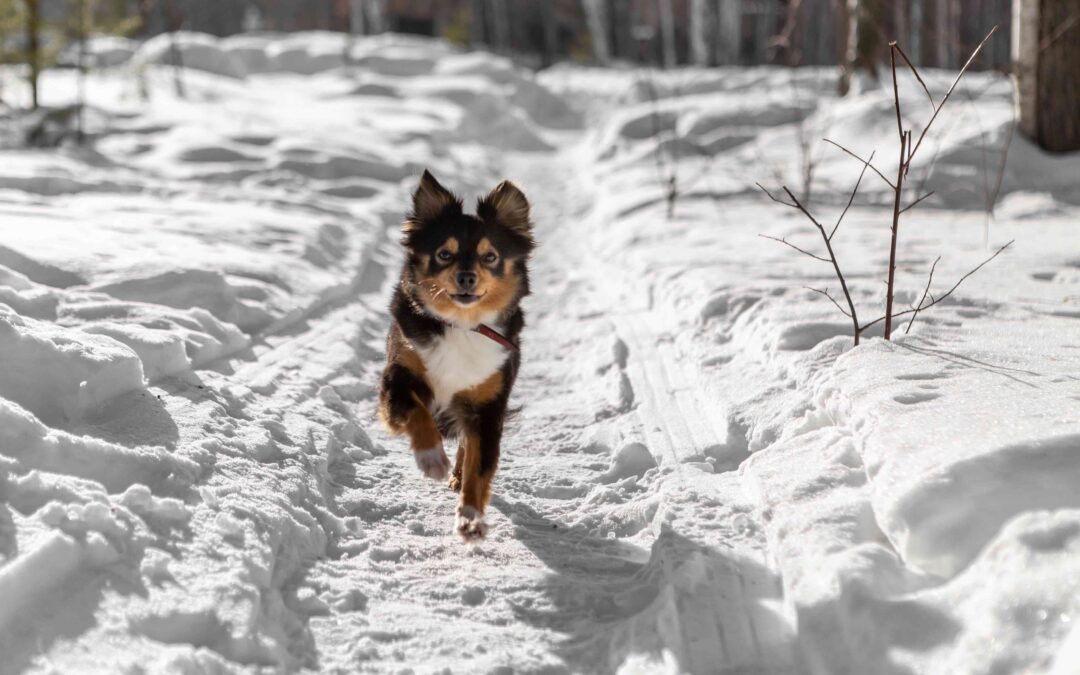
Minnesota winters are known for their snow-covered beauty, but for our pets, the season can bring more than just chilly noses and snowy paws. While many animals enjoy a romp in the snow, the cold, ice, and hidden hazards of winter can pose real risks. Whether you’re bundling up your dog for a walk or adjusting heating for your rabbit or reptile, a little preparation can go a long way.
Our team at Homey Gnome Veterinary Clinic in Oakdale, MN has put together this guide of winter safety tips to help you keep your pets safe, warm, and happy until spring arrives.
TIP #1: Protect Those Paws
Your pet’s paws take a beating in the winter. Ice, snow, and sidewalk salt can lead to painful cracks, burns, and even frostbite. Many chemical deicers used on sidewalks are not pet-friendly and can irritate skin or cause digestive upset if licked off.
How to help:
- Wipe paws with a warm, damp cloth after each walk to remove salt and ice.
- Use paw balms to protect pads from drying and cracking.
- Try pet booties for extra protection, especially during longer outings.
- At home, use pet-safe ice melt. You can find safe options in our online pharmacy.
TIP #2: Dress for the Cold
Some pets are better equipped for cold weather than others. Short-haired dogs, puppies, seniors, and small breeds may need extra insulation in freezing temperatures. A cozy coat or sweater can make a big difference on brisk walks.
Keep in mind:
- Make sure clothing fits properly and allows for free movement.
- Don’t forget to dry wet coats when you get back inside.
- Avoid shaving your pet’s fur in winter. Their coat acts as natural insulation and helps regulate body temperature.
TIP #3: Watch for Frostbite and Hypothermia
Even pets with thick coats can be at risk for frostbite and hypothermia if left in cold conditions for too long. The most vulnerable areas are the ears, tail, and paws.
Signs to watch for:
- Pale, gray, or bluish skin
- Shivering or trembling
- Lethargy
- Whining or appearing anxious
If your pet shows any of these signs, contact Homey Gnome Veterinary Clinic immediately at (651) 202-3388. Early intervention is key to preventing serious complications.
TIP #4: Make Winter Walks Safer
Fresh air and exercise are still important during the colder months, but winter walks call for extra precautions.
Tips for safe winter outings:
- Keep walks shorter during extremely cold weather.
- Use reflective gear or light-up collars for visibility during darker mornings or evenings.
- Stick to well-plowed sidewalks or paths.
- Avoid lakes, ponds, or other bodies of water that may be frozen but not solid.
If your dog starts lifting their paws frequently, shivering, or trying to turn back home, it’s time to head indoors.
TIP #5: Keep Indoor Hazards in Check
While you’re keeping your pets warm indoors, be mindful of winter-specific dangers inside the home.
Common indoor hazards:
- Space heaters and fireplaces can cause burns or accidental fires if pets get too close.
- Antifreeze is extremely toxic and even small amounts can be fatal. Clean spills immediately and store products securely.
- Dry winter air can irritate your pet’s skin and respiratory system. Consider using a humidifier to maintain comfort.
TIP #6: Give Extra Love to Exotic Pets
At Homey Gnome Veterinary Clinic, we care for a variety of exotic animals including rabbits, reptiles, and pocket pets. These smaller or cold-sensitive species need specific environmental support during winter.
How to support exotic pets:
- Keep enclosures away from drafty windows or doors.
- Ensure proper heating and humidity levels in tanks or cages.
- Avoid rapid temperature changes when transporting exotic pets.
- Use heating equipment that’s approved and safe for your species.
If you’re unsure about proper winter care for your exotic pet, reach out to our experienced veterinary team for guidance.
TIP #7: Support Winter Wellness with Supplements
Cold weather can bring extra aches and stiffness, especially for older pets or those with joint concerns. In addition, the dry air and frequent indoor heating can affect your pet’s skin and coat.
Helpful winter supplements include:
- Joint supplements with glucosamine and chondroitin
- Omega-3 fatty acids for skin and coat health
- Multivitamins to support immunity and energy
Browse our online store for veterinarian-approved products to keep your pet comfortable through the season.
TIP #8: Know When to Call Your Veterinary Team
Some cold-weather issues need more than just TLC at home. If your pet seems off during the winter months, don’t wait to seek help.
Call us right away if your pet:
- Is shivering uncontrollably
- Seems excessively tired or weak
- Refuses to eat or drink
- Shows signs of frostbite or injured paws
Our compassionate team is here to help you and your pet through the winter safely. Contact Homey Gnome Veterinary Clinic at (651) 202-3388.
Stay Warm, Stay Safe, Stay Close
Winter can be a fun and cozy time for pets and people alike. With just a few thoughtful changes to your daily routine, you can protect your pet from cold weather hazards and keep them healthy all season long. Whether you share your home with a dog, cat, or exotic companion, our team at Homey Gnome Veterinary Clinic is here to support their care of every paw, claw, and tail at a time.
Call us today at (651) 202-3388 to schedule a wellness check or ask us any seasonal care questions.