

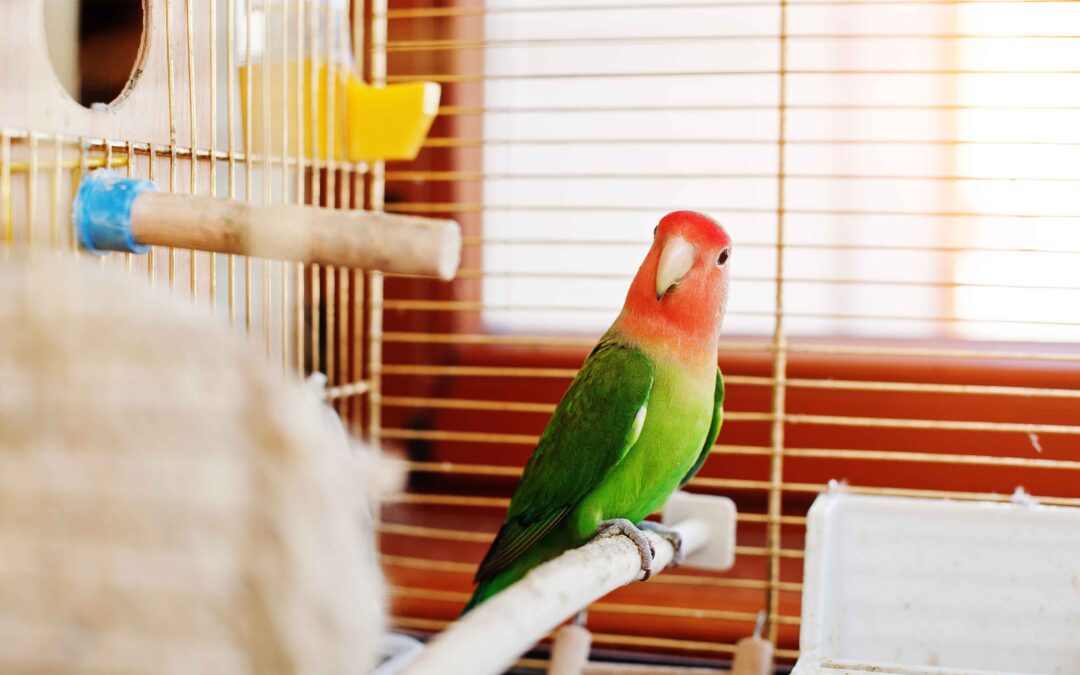
January is Adopt a Rescued Bird Month, a time to raise awareness about the joy of giving birds a second chance at a safe, loving home. If you’ve recently welcomed a rescued bird into your family, congratulations! You’ve opened your heart to a wonderful, intelligent companion.
The first 30 days are incredibly important. Many rescued birds have gone through trauma, neglect, or frequent changes in environment. Helping them feel safe and healthy in this adjustment period builds the foundation for a trusting and long-lasting bond.
At Homey Gnome Veterinary Clinic in Oakdale, MN, we specialize in avian and exotic animal care, and we know how to support bird owners through every stage of this journey. This checklist will walk you through what to do in your bird’s first month at home, from their first veterinary exam to socialization and daily care.
Week 1: Schedule a Wellness Exam and Set Up Their Environment
Your first step should be to schedule a wellness exam with our experienced avian veterinary team in Oakdale. Rescued birds may appear healthy on the outside, but many health conditions aren’t immediately obvious. During the visit, our veterinary team will:
- Assess your bird’s weight, feathers, eyes, beak, and nails
- Evaluate stool samples and check for parasites
- Review diet history and recommend nutritional improvements
- Trim nails or wings if needed
If you already have other birds at home, it’s important to keep your new bird quarantined in a separate room for at least 30 days. This protects your current flock from potential illness and gives your new bird time to adjust.
When setting up their space, choose a cage that’s appropriately sized for the species, with bar spacing that prevents injury. Use a variety of perches (different diameters and textures), and place the cage in a calm room away from kitchens, open windows, and high-traffic areas. Safe enrichment toys and foraging opportunities can help ease their anxiety and promote healthy mental stimulation.
Week 2: Nutrition, Hydration, and Healthy Habits
Many rescued birds arrive with poor nutrition habits, especially if they were fed a seed-only diet. The second week is a great time to transition them slowly to a balanced diet that includes:
- High-quality pellets made for your bird’s species
- Fresh, bird-safe fruits and vegetables (e.g., carrots, leafy greens, apples)
- Seeds as an occasional treat
Keep fresh water available at all times and monitor intake. A sudden lack of appetite or water consumption could be a sign of illness and should be discussed with our veterinary team.
Also, be aware of toxic foods that should always be avoided. These include avocado, chocolate, caffeine, alcohol, and salty snacks. If you’re unsure about a food item, just give us a call. We’re happy to help.
Need safe food options or supplements? We can offer shopping recommendations!
Week 3: Observe Behavior and Begin Building Trust
By now, your bird has had time to observe their new environment and may start showing more of their personality. This is the perfect time to start building trust, but it’s also when some behavioral challenges may appear.
Some rescued birds may be fearful, vocal, or hesitant to interact. Others may show signs of aggression or withdrawal. These behaviors are often related to past experiences and can improve over time with consistency and patience.
Our tips for this week include:
- Speak softly to your bird and approach slowly
- Avoid forcing interaction or physical contact
- Use treats or toys to create positive associations
- Offer a consistent daily routine so your bird knows what to expect
If you notice concerning behaviors, such as feather plucking or extreme fearfulness, our veterinary team can help you develop a behavior management plan tailored to your bird’s needs.
Week 4: Add Enrichment and Monitor Health Daily
Enrichment is vital for every bird, especially those recovering from stress or trauma. In the fourth week, continue to offer toys, puzzles, safe mirrors, and foraging items to keep their mind active.
You can also begin simple, positive reinforcement training like target training or stepping up onto your hand. Make sessions short, fun, and always reward with favorite treats.
Daily health checks are just as important. Take a few moments each day to observe:
- Droppings (color, consistency, and frequency)
- Feather condition
- Activity level
- Breathing patterns
Any sudden changes, such as fluffed-up feathers, weight loss, or labored breathing, should be evaluated by our veterinarian as soon as possible.
Keep your bird’s cage clean with daily spot cleaning and a more thorough weekly clean. Offer bathing opportunities through shallow dishes or a light misting, depending on your bird’s preference.
Know When to Reach Out to Our Veterinary Team
Birds are excellent at hiding illness, so it’s important to know when to contact our clinic right away. Call us at (651) 202-3388 if your bird shows any of the following:
- Lethargy or sitting at the bottom of the cage
- Refusing to eat or drinkTail bobbing while breathing
- Discharge from eyes or nostrils
- Persistent fluffing of feathers
Early care can make all the difference in your bird’s long-term health.
Help Your Rescued Bird Start Strong
The first 30 days are all about creating trust, routine, and health stability for your new companion. With the right care, rescued birds can thrive and form incredible bonds with their human families.
If you’re a new bird owner in Oakdale, let our team at Homey Gnome Veterinary Clinic guide you through this exciting journey. From your bird’s first wellness check to behavior and diet support, we’re here to help every feathered friend feel safe and loved.
Ready to schedule your bird’s checkup? Call us today at (651) 202-3388.
Image credit: Envato